Table Of Content
- Clarice Cliff and The Age of Jazz Figures
- Betty Boop Starring In The Circus Women's T-Shirt
- Peter Benjaminson *77 Traces History of Beloved Icon Betty Boop
- The Origins Of Esther Jones, The Black Betty Boop
- The History of Knickerbocker Toy Company A Journey Through Iconic Toys
- The Lair of the White Worm Collectibles From Bram Stoker’s Pages to Ken Russell’s Film
Emily Wishingrad is a journalist in Washington, D.C. She has written for PBS NewsHour, WETA's Washington Week and the Hearst Television station group. Emily graduated from Brandeis University with a degree in English, where she wrote her senior thesis on early 20th-century film adaptations of Bram Stoker's Dracula. In 2016, Dynamite Entertainment published new Betty Boop comics with 20 pages in the alternative American anime graphic novel style.
Prospr opens new store on La Brea Avenue - Park Labrea News/Beverly Press
Prospr opens new store on La Brea Avenue.
Posted: Wed, 21 Jun 2023 07:00:00 GMT [source]
Clarice Cliff and The Age of Jazz Figures
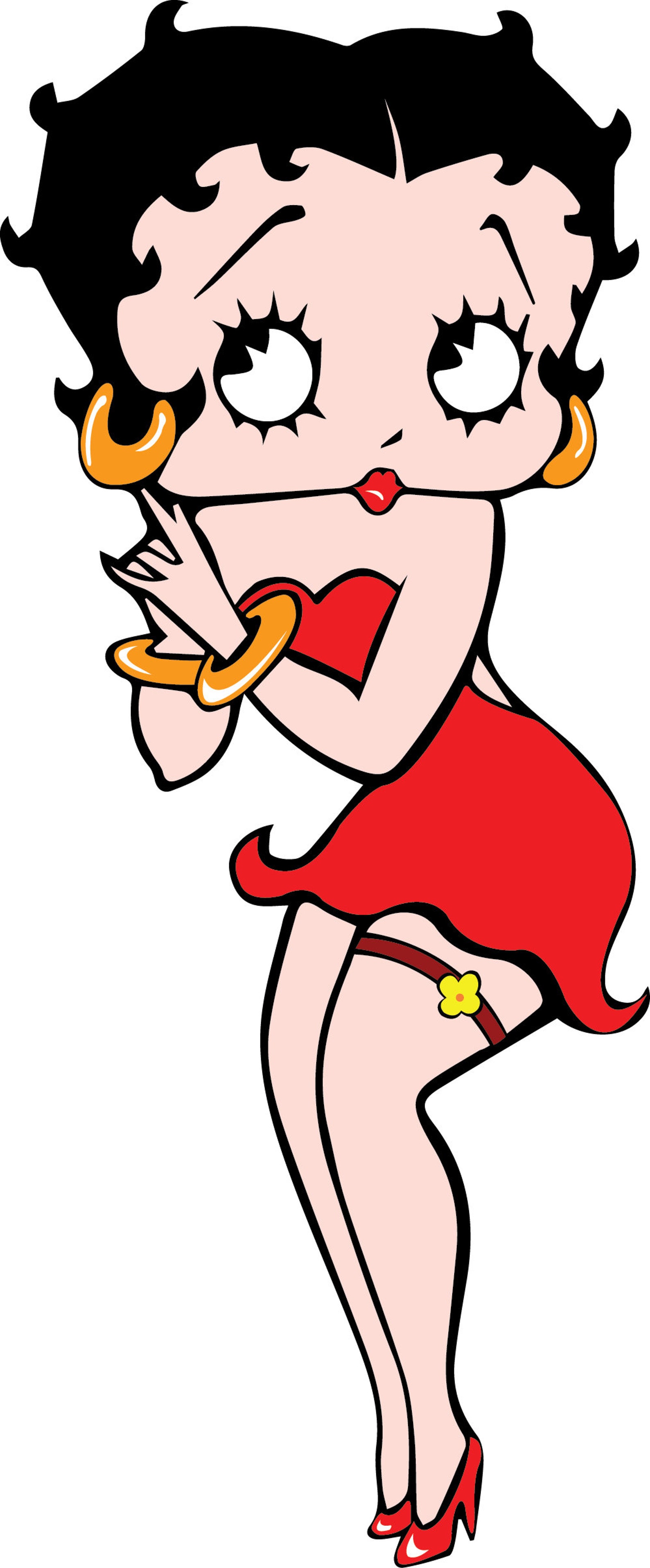
Dancing skeletons and a jazz-singing clown made for a delightfully surreal vision, but it was decades before the artistry of this animated film was recognized. It was eventually selected for preservation in the National Film Registry, and in 1994, it was voted one of the 50 Greatest Cartoons. She had the head of a poodle, the body of a pin-up girl, and the charming catchphrase, “boop-oop-a-doop! ” Over the next two years, her floppy dog ears became sassy hoop earrings, her wide eyes and pouty lips became the envy of every modern "It" girl, and she became known as the incomparable Betty Boop. Betty Boop is regarded as one of the first and best-known sex symbols on the animated screen;[19] she is a symbol of the Depression era and a reminder of the more carefree days of Jazz Age flappers.
Betty Boop Starring In The Circus Women's T-Shirt
He pursues her on foot but then is nabbed by the cops and hauled into court for digging holes in the public street with his car. The title of this cartoon also may have been a subtle Fleischer reference to the competition between Mickey Mouse and Bimbo. Their rivalry had begun the previous year when Mickey’s first cartoon, “The Karnival Kid,” was released on May 23, 1929, and “Hot dogs! He wasn’t referring to women, however, since he’d been speaking these words while selling frankfurters at a carnival. Although clearly a canine, he wore clothes, spoke English, played musical instruments with his forepaws, walked on his hind legs, and otherwise acted completely human. There’s no question that Betty Boop is the originator of the classic red-carpet beauty combo—long, dark lashes and bright red lips.
Peter Benjaminson *77 Traces History of Beloved Icon Betty Boop
Although Betty Boop’s great legs carried her far, they also got her in trouble. N 1934, the Motion Pictures Producers and Distributors Association rode in on its high horse and began enforcing a set of moral guidelines that policed every hemline in cinema. Betty’s popularity began to disappear along with her cleavage, and Fleischer Studios soon saw the funny papers as a loophole. The Betty Boop comic strip ran from 1934 to 1937, and was later revived in the 1980s through Betty Boop and Felix.
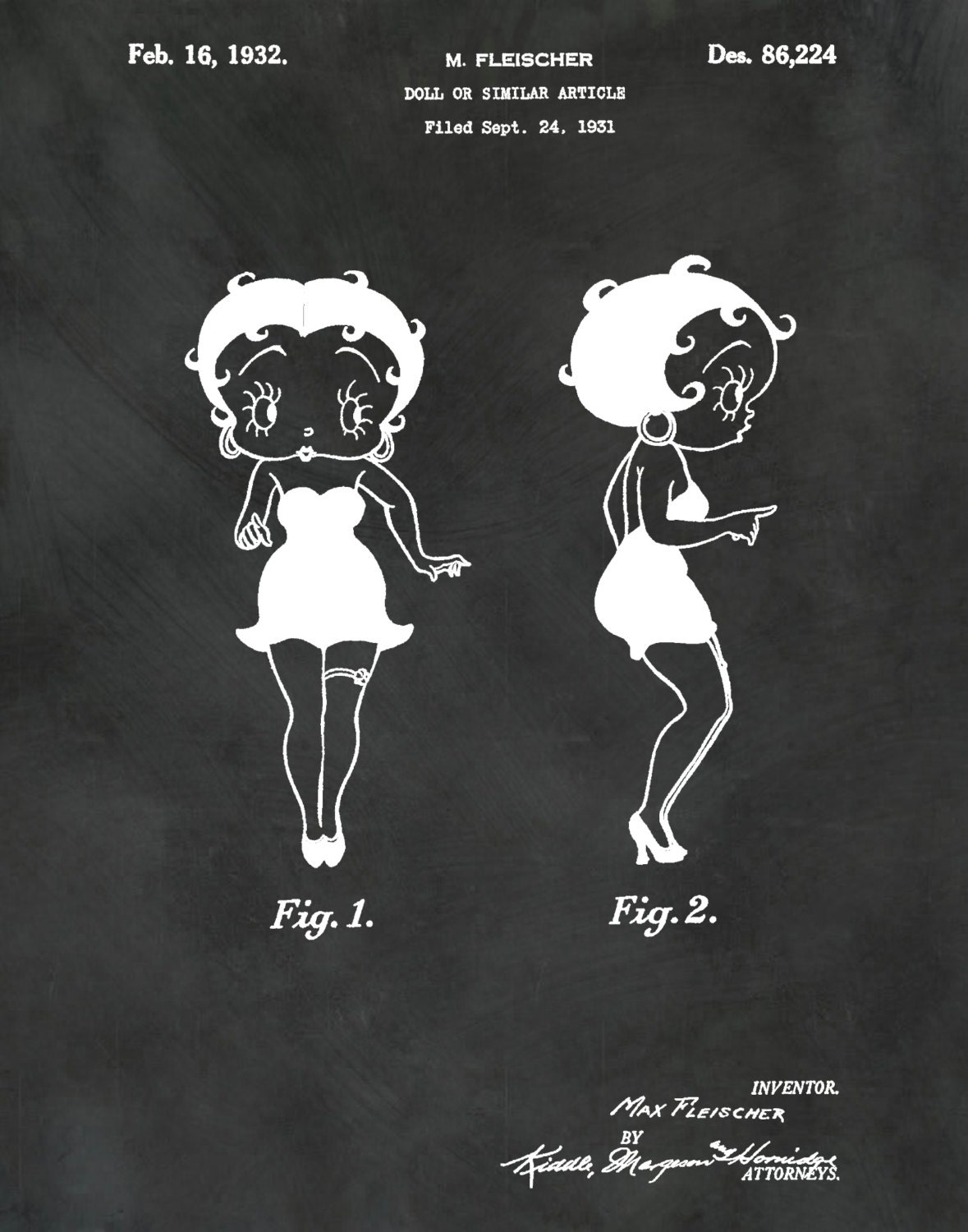
That's a shame, because they were producing short animated movies from New York when Walt was still living in Kansas City. According to Encyclopedia Britannica, Max was the producer and the inventor, Dave the director. One of their signature developments was the rotoscope, a process that allowed live-action film footage to be traced and turned into an animated cartoon, as Infoplease tells us. In over 100 Fleischer animations, she went from batting her eyelashes and giggling girlishly to flying airplanes and taming lions. She kept audiences on the edge of their seats, whether they were watching her plunging necklines or plucky attitude.
Once crowned the “Queen of Cartoons,” Betty Boop continues her reign over eighty years later. When it comes to “hidden figures” in Black history, few have a legacy as instantly recognizable as Esther Jones. A largely Harlem-based jazz singer known as “Baby Esther” in the early 1900s, Jones became the inspiration for the character of Betty Boop — but never received a penny in compensation. Kane never publicly admitted to appropriating Esther’s singing style, but the truth was revealed when Kane filed a lawsuit against Max Fleischer, the animator who created Betty Boop in 1930. Ironically, Kane claimed that Betty Boop was imitating and profiting off of her image. At its height in the 1930s, Fleischer Studios was a giant in animation, rivaled only by Disney.
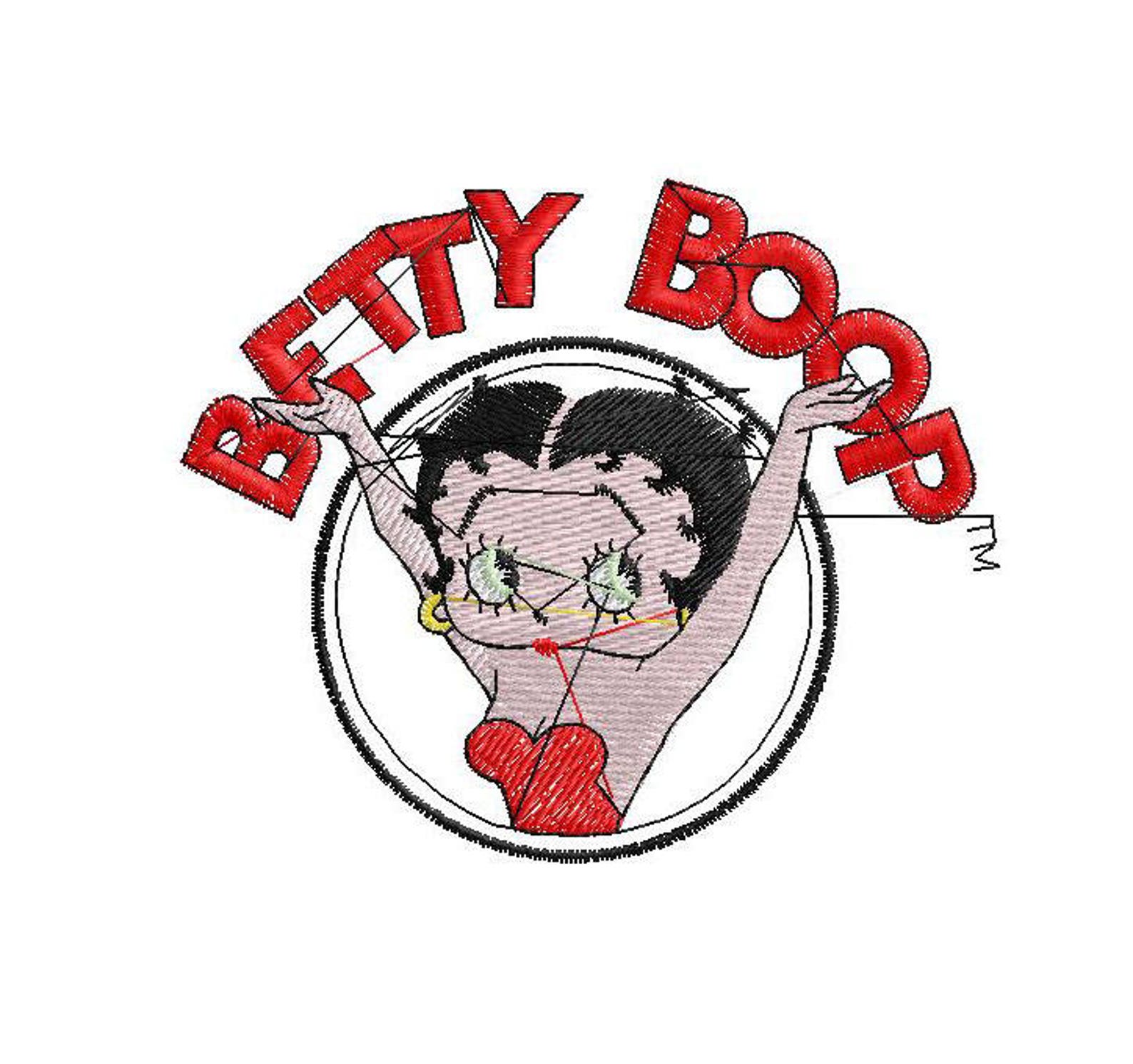
Betty Boop Heart Embroidery Design - PES, DST, JEF, exp, xxx, vp3 trendy, aesthetic, Y2K, unique, love, cute
This was repeated in her first cameo appearance in Popeye the Sailor (1933). She was drawn with a head more similar to a baby's than an adult's in proportion to her body. This suggested the combination of girlishness and maturity that many people saw in the flapper type, which Betty represented.
However the content of her films was affected by the National Legion of Decency and the Production Code of 1933. The Production Code guidelines imposed on the Motion Picture Industry placed specific restrictions on the content films with references to sexual innuendo. This greatly affected the content of the films of Mae West at Paramount, as well as the Betty Boop cartoons until the end of the series. A Boop-related lawsuit may have seemed silly, but it pointed to the outrageous popularity of Betty Boop. Her sexually suggestive dancing, squeaky voice and seductive costume, complete with garter, captivated audiences. Her songs were racy enough to raise eyebrows, but not explicit enough to make the cartoons unacceptable.
Betty was born to Fleischer Studios in 1930 as a creepy doglike creature meant as a love interest for Bimbo, an animated dog with his own Talkartoon series. (Check out her first film appearance in "Dizzy Dishes," where she clearly had French Poodle ears and a black puppy nose (see below). She traded the floppy ears for hoop earrings in 1932 for the jazzy “Any Rags” and went on to star in over 100 animated shorts. In the Fleischer landscape, anything was possible, and seemingly nothing was off limits. As Max’s grandson Mark Fleischer recalls, his grandfather’s motto was “If you can do it in real life, why animate? Halfway through the film, jazz legend Cab Calloway (a regular guest in Betty Boop cartoons) performs a spooky musical number, embodied first by Koko and then by a ghost.
PBS Admits That It Published Fake History Of Betty Boop's Creation - Cartoon Brew
PBS Admits That It Published Fake History Of Betty Boop's Creation.
Posted: Tue, 14 Sep 2021 07:00:00 GMT [source]
The cartoon vixen was an unlikely candidate for a lawsuit—and for popularity. She “was never intended to be a continuing character,” says animation historian Ray Pointer, author of The Art and Inventions of Max Fleischer. In fact, the original 1930 version of Betty Boop, created by Fleischer Studios, wasn’t even human. In 1934 Kane had been laid off from Paramount Studios, and brought suit against the Fleischers.
A 1934 article in The New York Times reported on Bolton’s testimony, wherein he stated that he coached “a little Negro girl” to sing the “Boop, Boop-A-Doop” that Betty Boop ultimately made famous. Today, a revamped, family-owned version of Fleischer Studios is trying to bring Betty into the 21st century and keep her image alive. The studio memorializes her as a pre–Hays Code flapper; now, though, she’s also a biker and a champion of recycling. Last year, Mark’s wife, Susan Wilking Horan, collaborated on a self-help book in which Betty dresses in jeans and promotes values like independence, self-care and kindness. Under current US copyright law, Betty Boop is due to enter the public domain in 2026.[51][d] Later versions of her character will enter the public domain in the years that they become eligible. Earlier this year the Guess brand collaborated with J Balvin for the second iteration of the Guess Originals x J Balvin Amor collection, which saw the label’s heritage denim updated with graphics and prints inspired by the musician’s style.
Celebrate her birthday with us, check out this Complex visual history of Betty Boop. So, Helen Kane continued to swipe her whole act from “Baby Esther,” and became infinitely more popular than the original. Kane became so popular, in fact, that when the Betty Boop cartoon debuted in 1930, it all but completely mimicked Kane’s style.